This article is your complete guide when solving the question, when is electricity cheapest? And the truth is learning the moving parts which factor into the cheapest time of day to use electricity is important when trying to become more energy efficient. In this article we’ll break down everything you will need to consider when trying to find the cheapest time to use electricity for your home or business. It’s even more important to understand these factors now as many suppliers are now offering time of use plans to their customers.
That includes a guide to electricity rates by time of day, if energy is cheaper at night and we will even break down when energy rates are at their lowest to renew your supply contract. We hope you find this article helpful, and if you would like to find out how you can save money on your next energy contract and become more energy efficient be sure to speak with us at the office at 888-836-9222 or chat with us on our website!
So if you’re ready to read about the cheapest time to use electricity read on!
When is Electricity Cheapest?
It’s important to keep in mind that there is both acheapest time of year and the cheapest time of day to use electricity. These times are when the demand for electricity prices are at the lowest and consumers can get the best deal and pay the lowest electricity price possible. The one important factor when trying to find the cheapest electricity is to understand how the electricity market is traded and sold.
Electricity rates by hour
Electricity consumption by residential customers and businesses are tracked and sold by on-peak electricity rates and off-peak electricity rates. These rates are set and tracked by the hour, so their will be a time of day when electricity is the cheapest.
What are the peak hours for electricity?
On-peak hours for electricity consumers are when residential and businesses are using energy the most. These hours will typically fall within the hours of the day when most people are up and working. The on-peak hours in New York City are 7:00 AM – 11:00 pm Monday – Friday.
What are the off-peak hours for electricity?
Off-peak hours are when demand for the commodity are at it’s lowest and will fall during the hours when folks are sleeping. In New York City off-peak hours are between 11:00 PM-7:00 AM Monday-Friday and 11:00 PM on Friday night until 7:00 AM Monday morning.
When is the Cheapest Time of Day to Use Electricity?
As you can probably have guessed, the cheapest time to use electricity is later in the evening or early morning. During which, there is less demand for electricity and thus costs a little bit less. And because nighttime tends to be the cheapest time of day to use electricity, it also makes for one of the best times to pull energy usage onto any battery panels that you have installed at your home or business.
What time is electricity the cheapest?
11:00 PM – 6:00 AM
This doesn’t necessarily mean that energy stays the same price during these hours above, or from the time the sun rises to when it sets. For example, it’s usually cheaper to use electricity early in the morning than it would be around 3-4 p.m. It’s important to keep in mind that specific off-peak electricity and on-peak electricity hours may differ depending on your location and electricity provider.
Time of Use Energy Plans For Your Business
So what is the best way to get the lowest energy prices? We’ll if you are willing to make some adjustments to the way you consume electricity and take advantage of energy efficient upgrades, a time of use energy plan might be a great fit for your small business. The great news is that many suppliers now offer time of use energy plans. In these plans, the amount you’ll pay will vary because it’s based on the time of day you consumed energy. While in a standard plan, you’ll (typically) pay the same rate regardless. This is a popular option for some commercial building owners who don’t mind running operations overnight when prices would be lower. However, sometimes these plans can cost you more in the long run. So as always, be sure to do your research and talk to your supplier before making any decisions!
You can save even more money with TOU energy plans by installing solar panels.When you send surplus solar energy back to the grid, your supplier will give you credits toward your energy bill.
When is the cheapest time of year to use electricity?
Demand for energy is at its highest during the summer and winter, and so the cheapest time to use electricity isduring the fall and spring. This is due to the increase in demand for air conditioning in the summer and for heat in the winter. Obviously, the amount prices fluctuate will depend somewhat on the climate of where you live.
Are electric rates higher in summer or winter?
This also depends on where you live. If you live in a state with colder winters and average summers, then electric rates would be higher in winter. However, on average in the US, electric rates tend to be a bit higher in the summer.
A good electricity rate depends on what state you’re located in. In states with lowest electricity rates, like Oklahoma, a cheap electricity plan would be under $0.07 per kWh (the average commercial rate). Whereas in New York, the average commercial rate would be double that. When you shop electricity rates, it’s always a good idea to know your state’s average rate per kWh.
Finding the best electricity plan
The best electricity plan may not necessarily come from the cheapest energy provider and rate. Always do your research and compare best electricity prices that fit the needs of your business. Your rate will depend on:
Type of energy source
Contract length
Whether you choose a fixed or variable rate
Time of year you’re signing up
Your energy supplier’s service charge
Any applicable state taxes/regulations
Occasionally, energy market rates may cause prices to dip or rise, which will also impact your kWh rate.
Factors that influence energy market rates
The most unpredictable factors that influence electricity prices are natural and accidental disasters. However, these both influence prices because they influence the driving force behind market rates: Supply and demand. When there’s some kind of disaster that causes a shortage of natural gas, for example, the cost of gas will then surge because the supply can’t meet the demand.
We can apply this same principle to the cheapest times to use electricity. The reason there are seasons and certain hours of the day where the demand for electricity is lower, so are your rates! So when is electricity cheapest?
What is the Best Time to Renew Energy Contract?
Generally speaking, the best time to renew your energy contract is in the fall or spring when demand is lower. A lot of business owners choose a fixed-rate plan so they can lock these lower prices in to avoid a price surge in peak months. It’s important to note that most energy providers will usually factor in the price difference when pricing your rate if your contract extends through those peak seasons.
So, to get the absolute cheapest electricity rates immediately, you’d probably need to choose a variable plan during the spring or fall. However, a fixed-rate plan usually results in more long-term savings. While you consider which option is best for you, be sure to also research your city and state’s energy market price trends. This can help you narrow down which time is the best time to renew your electricity contract.
When is the best time to find a new electricity provider?
The best time to find a new electricity provider depends on the current and future needs of your business. Although it never hurts to know your options and compare electricity prices, be sure to review your current contract if you’re considering breaking it. You may have an early termination clause. Additionally, while it may seem like you’re getting the lowest electric rates by choosing the variable rate, month-to-month electricity plans, you could actually be spending more in the long run.
Does your electric rate seem too high? At Aggressive Energy, our team of experts is here to craft an energy plan tailored to your specific needs. We’ll help you find the lowest electric rates possible and give you the tools you need to manage your energy use.
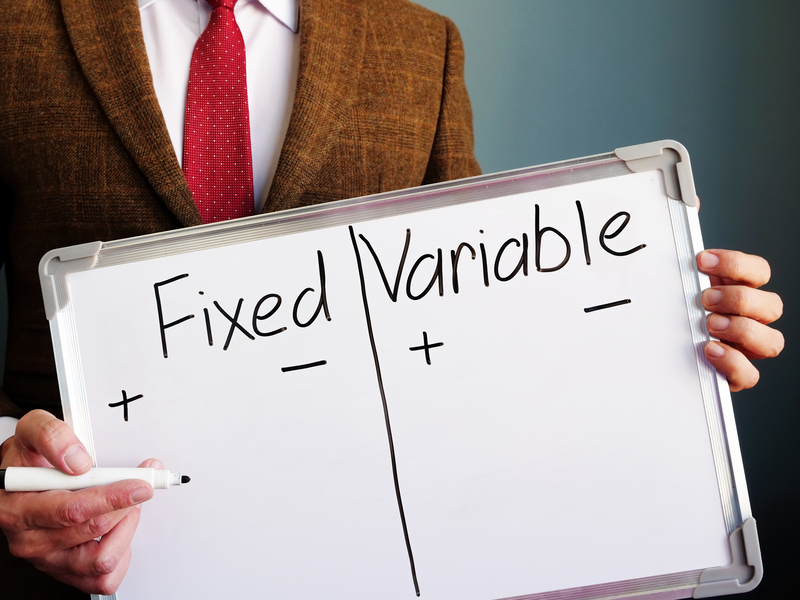
Which is the best electricity rate: Fixed or variable? In this article, we’ll define what’s a variable rate and what’s a fixed rate in terms of your energy cost. We will also examine the difference between variable and fixed rates. By listing the advantages and disadvantages of variable vs fixed rates, we hope to give you the information to choose the best electricity for your business.
What is Fixed-Rate Electricity?
In a fixed-rate electricity plan, your energy cost is paid via a fixed monthly fee. This means that even if market prices fluctuate, your rate plan won’t go up in price. Your fixed electric rate is the price per kilowatt-hour (kWh) you agreed to pay for throughout the length of your contract. Having a fixed rate protects you from cost increases that occur during peak seasons when energy demand is high. It also protects you from paying more as a result of volatile energy market conditions that occur as a result of an unpredictable outside factor, like a natural disaster.
What is Variable-Rate Electricity?
In a variable-rate electricity plan, the price you pay per kWh can change each month. Variable rates aredetermined by current electricitymarket conditions. Keep in mind, your energy supplier also has the ability to consider other factors outside of the current market that affect their supply rate. Energy cost changes often, which means your rates could too. When market prices drop, your rate can too. However, this works both ways, meaning your rate will go right back up when there’s a spike in temperature or demand. Basically, variable rates have the potential to get super cheap AND super expensive.
The Difference Between Fixed or Variable Rate
The key difference between variable and fixed rate is that the former can vary month to month throughout the duration of your contract, while the latter remains the same. However, it’s important to understand the advantages and disadvantages of both before deciding which is the best electricity plan for you. We weigh the pros and cons for both fixed or variable rates below.
Advantages of a Fixed Rate
Protection from price surges
Predictable costs
The advantages of fixed-rate energy plans stem from the fact that you have a predictable energy cost. Even if market prices surge, your rate will remain the same. This stability gives business owners the chance to plan a more accurate budget that’s easier to manage. This can create more savings more in the long run.
Disadvantages of a Fixed Rate
Your rate stays the same even when market prices drop
Usually have early termination fees
The disadvantages of fixed-rate energy plans are a result of the same factor that creates the advantages: Your price remains the same no matter what. Sometimes the market prices drop, but because you’re locked into a fixed rate, you won’t be able to take advantage of that. Even though there are long-term savings to be had as a result, your company only maximizes those benefits if you’re in a position to plan for the long term. This is partially because fixed-plan contracts are more likely to include an early termination fee.
Advantages of a Variable Rate
Potential to save when market prices are low
Usually don’t have an early termination fee
The advantages of variable-rate energy plans mainly revolve around their potential to avoid unnecessary costs. The demand for electricity fluctuatesnot only throughout the year, but even throughout the day. Variable plans allow you to take advantage of low prices instead of being stuck paying more. They also typically don’t have cancellation fees. This gives you the flexibility to switch providers if you find a better deal elsewhere.
Disadvantages of a Variable Rate
You pay more when market prices surge
Unpredictable costs
The disadvantages of variable-rate energy plans exist because of market volatility. If energy market conditions cause prices to rise, you’ll pay more than you would have with a fixed plan. This creates a huge potential for unpredictable costs, making it harder to budget. If your business isn’t prepared to pay an unexpectedly larger bill, this is a huge disadvantage.
Should I Choose Fixed or Variable Rate?
Whether you should choose a fixed or variable electricity rate depends on your business’s unique needs. It also depends on your energy provider and the terms they can offer. Unfortunately, there just isn’t a definitive yes or no answer we can give you to the question is fixed or variable electricity better without knowing more about your business. Here are some things to keep in mind to help you determine which plan is right for you.
A Fixed Rate is For You if…
You prioritize avoiding any financial risk
You’re located in an area with fluctuating weather or high/low temperatures
Your energy usage is about the same year-round
After this year, many companies aren’t in a position where they can afford to take on extra costs in their bills. Stable costs are important when it comes to managing a budget, especially if your business is still building or rebuilding its safety net. Fixed rates are also a good choice if you’re located somewhere where it gets really cold in the winter or really hot in the summer. This is because you’ll use more electricity to either warm-up or cool down than a state with more neutral temperatures. Most places with cold winters probably won’t have as hot of summers. So, if you’re powering an office building the same amount year-round, the amount you save during peak seasons could make up for any extra cost you pay when prices go down.
A Variable Rate is For You if…
You know how to stay up to date with the market
You’re financially stable
Your energy usage is different year-round
While it’s impossible to guarantee specific energy market conditions, it is possible to keep track of them and make predictions. It’s always important to choose your energy plan strategically, but especially if you’re choosing a variable-rate plan. This is because variable rates typically offer both greater risk and greater reward. If your energy usage is significantly less during a specific time of year, then there probably isn’t as much risk. Plus, because there isn’t an early termination fee, it’s easier to switch plans if you need to.
Keep in Mind
Usually, the pricing will eventually even out whether you choose a fixed or variable rate. If you have the time and resources to keep up with the energy market and can handle risk, a variable rate may be for you. Alternatively, if you’d rather have stability and minimize risk, a fixed rate is probably your best bet. Regardless of which you choose, be sure you’ve reviewed the terms of your electricity contract in its entirety before signing.
Still not sure which rate plan is for you? Having an energy provider you can trust to help you choose the best electricity plan for you makes your decision a whole lot easier. At Aggressive Energy, our team is committed to providing energy plans custom to the needs of your business. Contact ustoday to see how our energy solutions can serve you.
Is solar power worth it? As the green energy for business movement continues to grow, business owners and operators around the country are asking themselves: Is it a good idea to install solar panels? You may even be asking, “What is solar power, and how does solar power work?”
In this article, we’ll provide information on the basics of how solar power works and list the benefits of solar power for business to help you answer the overarching question: Is solar energy cost effective?
We hope you find this article helpful and please be sure to reach out to learn more about how Aggressive Energy can help your business become more energy efficient!
How Solar Power for Business Works: FAQs
In order to determine if solar power’s worth the cost, it’s helpful to have a decent understanding of the basics. You need to know a little bit about how solar energy works so that you can decide if it’s a fit for your business. We’ve gathered the answers to some frequently asked questions (FAQs) on using solar power for buildings below to serve as a quick reference guide.
Why is Solar Power for Business Worth It?
It’s true that solar panels are expensive to install. However, the benefits of solar power for business are incredibly fruitful in both the short-term and long-term. While the upfront cost may seem intimidating, these advantages show solar energy is cost effective. Here’s why solar energy is a good thing for your business.
Shrink electricity expenses
If you pay an average of $600 on your monthly electricity bill, you’ll save about $164,805 over the course of 30 years. This is because solar panel systems reduce, or even remove, demand and delivery charges include in your utility bill. These charges are for energy providers to recover the costs of purchasing energy during peak season, maintaining power lines, and any lost energy. Having a solar panel power source moves your source of energy onsite, which is how businesses avoid the added expenses from demand and delivery charges. More and more business owners are switching from electricity and natural gas to green energy in record numbers. This includes bothhuge corporations like Walmart and General Motors and small businesses alike. Regardless of how large the upfront cost was, businesses are choosing to install commercial solar panels because they realize the cost savings of doing so offers a substantial ROI.
Erase energy price volatility
Thanks to electricity price volatility and inflation, energy bills can be a bit unpredictable. Installing commercial solar panels allows your business to lock in electricity prices. Fluctuating energy costs can be a huge inconvenience for business owners who closely manage their available means and profitability. This stability is one reason business owners find solar panels are better than electricity – because it allows them to create an accurate budget and plan for the future.
Financial incentives
The cost benefit of solar panels isn’t just long-term. There are several ways businesses can profit in the short-term as well.
Federal Investment Tax Credit
The biggest financial benefit is the Federal Investment Tax Credit (ITC), which is a 26% tax credit for commercial properties using solar panel systems. You’ll also get a federal tax credit for 30% of the commercial solar panels installation cost. Some states offer additional tax credits, so be sure to do your research before filing your taxes for the year you install.
Modified Accelerated Cost-Recovery Systems
Maximize the benefits of solar power for business by utilizing the Modified Accelerated Cost Recovery System (MACRS) method of depreciation. Doing so allows business owners to profit from the depreciation aspect of the tax code. This is because depreciation streamlines a greater investment into renewable energy, leading to lower costs and making solar energy economical.
Performance-based incentives and other rebates
Some states and providers offer performance-based incentives (PBIs). PBIs pay solar panel system owners a per kWh credit for the energy that their systems generate. This and other solar incentivessuch as net metering can skyrocket your ROI in both the short-term and long-term.
Increased reliability with decreased maintenance
By hosting your solar panel power source onsite, you increase the reliability of your electricity. Research from the Energy Department’s National Renewable Energy Laboratory (NREL) shows that just 5 out of 10,000 panels failed, giving them a 0.05% failure rate. This study was conducted between 2000 and 2015, so that number is probably even smaller now as the evolution of technology continues to benefit energy production. Solar panels also require little to no effort to maintain.
Supports local community, environment, and economy
There are plenty of ways energy efficiency can reduce business expenses, but it’s important to note the benefits of solar power for business other than financial gain. The call for green energy for business grows more significant each year. People prefer socially responsible businesses now more than ever. Making it a priority to switch to renewable sources of energy sooner rather than later shows people your business cares about its contributions to society.
Ready to learn more about making the switch to solar energy? Aggressive Energy offers full-service energy solutions customized to fit the needs of your business and sustainability goals.
The primary purpose of a building energy management system is to help building owners manage and optimize their energy usage. The building energy monitoring system uses a system made up of software and hardware tools to help eliminate unnecessary costs and risks. These energy management systems focus on running larger appliances like heat ventilation and air-conditioning (HVAC) at the highest possible level of efficiency, giving business owners one less cost to worry about. With the business management system estimated to grow from $1.0 billion in 2020 to $1.8 billion by 2025, there are more opportunities to install or upgrade these automated systems than ever before. Let’s take a look at your options and the key benefits of investing in a sustainable energy management system.
Overview of Building Energy Management Systems
Often confused with energy conservation, building energy management systems are used by electricity grid operators to maximize the effectiveness of all energy-consuming appliances. They gather operations data in real-time and amplify how well power plants and transmission systems are performing. Business energy management systems are a bit of an investment in terms of upfront costs. This is just because commercial buildings have a lot of appliances and use a lot of energy. In fact, they consumed 18% of all energy in the U.S. in 2019. If that doesn’t showcase the importance of sustainable energy planning and management in the commercial sector, read on to learn the advantages of building energy management systems.
Benefits of a Building Energy Management System
There are several advantages of building energy management systems. Building owners that utilize energy management solutions usually have a higher ROI than those who go without. Property managers in New York City will find these management systems especially useful in helping them achieve an efficiency score complying with Local Law 84. Let’s take a deeper look into the benefits of having a building energy management system:
1. Spend less money on utilities
Building energy management solutions contribute to a higher ROI by reducing all utility costs. They do so by sustaining a healthy balance between energy use and building operation. The energy management software also collects and stores data on the matter. This helps reduce costs in the future as well because the data will help make the next generation of building management solutions. It does so by determining best practices to minimize costs and the capacity for downtime, all without risking any IT assets. This will also help allocate a more accurate amount of funds for utilities when preparing annual budgets.
2. Increase employee productivity
Newer versions of building energy management systems monitor the appliances that maintain a certain level of comfort in the building’s environment. This includes the temperature the thermostat is set at, the air quality, and the lighting. When the office environment is upgraded, the productivity level of the employees follows suit. The office building energy management system will also provide a thorough breakdown of energy consumption through the use of preventive and predictive maintenance options. Utilizing these will increase the system’s own shelf life and reduce any and all unnecessary use of energy-consuming appliances. It will also be less time-consuming for the employees who manage and budget utilities, creating more time for them to be productive in other areas of the business. There are plenty of ways your business can cut costs by practicing energy conservation, but everyone knows the best processes are always automated nowadays.
3. Show that you care about the environment
As previously mentioned, commercial buildings use a LOT of energy. Climate experts and activists alike find commercial building’s energy use levels to be concerning. The biggest concern is the increase in emissions that can have negative consequences to our environment, including rising temperatures and natural disasters. It’s alarming enough that most building owners already know that reducing pollution and energy usage is just as important as reducing their energy bills. Employing an energy management system will naturally decrease energy consumption and increase eco-friendly processes like energy efficiency. This is something your company’s customers, business partners, and community will appreciate. By promoting your energy conservation efforts, you’re showing people that you prioritize sustainable energy planning and management. This also shows your company knows how to work and manage operations efficiently.
4. Improve your building’s resources
In addition to improving employee productivity, energy management systems upgrade the building’s overall resources. By cutting costs on energy usage, you are creating more wiggle room in your budget to upgrade other areas of your business. These areas include things like marketing, technology, CRM platforms, onboarding costs, bonuses, raises, and more. Resources like these will always give you a leg up on your competitors so you stand out to both future customers and employees. They can also help you easily maintain and even upgrade your building in the future.
5. Automated maintenance
As previously mentioned, office building energy management systems collect data on the building’s energy consumption. This data-collecting tool is constantly collecting data from the devices linked to it. These include devices such as:
HVAC settings
Air quality monitoring sensors
Default lighting
Presence sensors
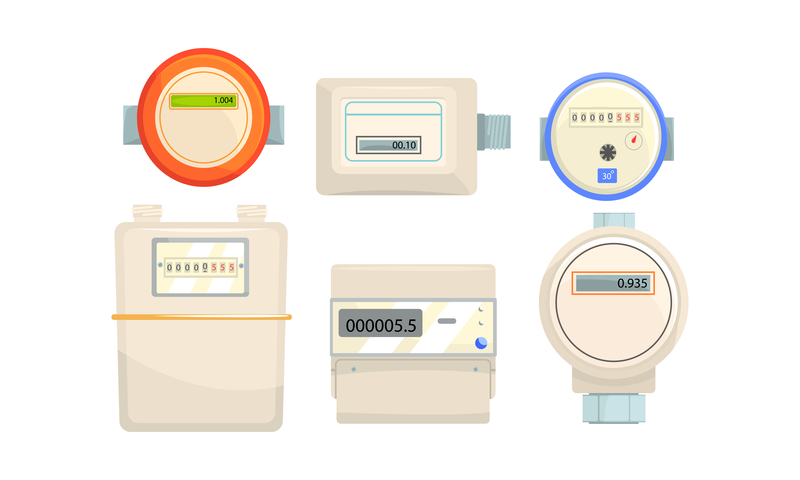
Gas, water, and power meters
Integrating these devices with your building energy managementplatform creates a completely automated system that can program and set alarms, detect potential errors and repairs. It also solves the errors and completes repairs, which will help avoid any mistakes in the future. This eliminates unnecessary maintenance and monitoring. Additionally, this is especially useful if your business uses appliances that don’t permit much time, if any, for downtime. The platform enables extracting the essential insights from the data, which makes it simple to identify any areas where downtime can be reduced.
Business Energy Management System Summary
The advantages of building energy management systems include saving money, increasing employee productivity, improving your company’s image and its resources, and automated maintenance. These benefits will substantially increase the ROI received from installing anenergy management platform in your building.
At Aggressive Energy, we’ll work collaboratively to find the building energy management system that’s right for your business. We offer cloud-based energy management, which allows clients to easily and accurately benchmark their portfolio. We help our clients make cost-effective decisions by taking the time to understand their unique needs and goals.
This article is your complete guide to Local Law 84! LL84 is part of the Greener Greater Buildings Plan, and must be filled by all owners of large residential and commercial buildings in New York City. And although it might seem like a daunting task we have found that keeping up with all New York City compliances, specifically the Local Law 84 compliance can be easy with the proper guidance.
If you’re ready to learn more about LL84 compliance read on!
What is Local Law 84?
So, what is Local Law 84? Passed in 2009, Local Law 84 requires owners of large residential and commercial buildings in New York City to benchmark water and energy usage. All LL84 benchmarking data is sent to the NYC Mayor’s Office of Sustainability and used to create the NYC Energy and Water Performance Map.
Why Was Local Law 84 Passed?
Local Law 84 was passes as part of the Greener Greater Buildings Plan, which is a set of four energy efficiency laws focusing on New York City energy usage and sustainability. The goal of the Local Law 84 benchmarking is to help NYC reach its goal of a 30% reduction in greenhouse gas emissions by 2030 and beyond. All applicable building owners must submit their Local Law 84 benchmarking report to the city on an annual basis.
How Do I Know if Local Law 84 Benchmarking Applies to My Building?
There are a few ways to know if you need to submit a LL84 report:
Building is larger than 50,000 square feet
Two or more buildings on a tax lot larger than 100,000 square feet
Look our building up on the NYC buildings website
NYC LL84 applies to all buildings larger than 50,000 square feet, and two or more buildings on a single tax lot that are larger than 100,000 square feet. The first step to Local Law 84 compliance is simply knowing when you are required to benchmark your building. You can learn this by checking the Local Law 84 covered buildings list each year. The list is sorted by the property’s 10-digitborough, block and lot number, or BBL. Checking to see if your building is on the list can easily be done by clicking the control key and the F key on your computer keyboard, then typing your property’s BBL into the search box. All companies on the list are required to submit their LL84 benchmarking report by May 1 of that year. Your property’s status may change from year to year, so always be sure to check the revised list when it’s released each February.
What if my property is on the Local Law 84 covered buildings list in error?
If you believe your property was included on the Local Law 84 covered buildings list by mistake, it’s likely there is a discrepancy between your records and what is written on the list. For further clarification or to dispute, send an email to benchmarking@finance.nyc.gov and include:
Contact name
Contact email address or telephone number
Applicable building(s) BBL
Reason for inquiry and/or dispute
Steps to creating your Local Law 84 benchmarking report
1. Create an account in Energy Star Portfolio Manager
Building owners are required to use the U.S. Environmental Protection Agency’s online benchmarking tool, Energy Star Portfolio Manager. There, you’ll enter and submit your building’s LL84 benchmarking data to the NYC Mayor’s Office of Sustainability. You’ll then receive your Energy Star rating, or Star score report, which measures your property’s energy efficiency.
2. Enter or update your information
If you’re submitting a building’s Local Law 84 benchmarking report for the first time, you’ll need to provide the required information. This includes the building’s size, year built, and primary and secondary building uses into the ENERGY STAR Portfolio Manager. If you already have an account, simply review the information on file for your building and update if needed.
3. Collect and record energy data
The easiest way to collect your building’s energy data is to request it from your utilities. They will then upload the data directly to your ENERGY STAR Portfolio Manager. If your utilities has uploaded your property’s data before, all you need to do is check to be sure they’re still connected to your property. However, if your building uses energy that not provided by Con Edison or National Grid, you’ll need to create meters under the “Energy” tab as needed. Then, manually enter the property’s LL84 benchmarking data into ENERGY STAR Portfolio Manager. You can do this by copy/pasting or uploading a spreadsheet.
4. Confirm and check for errors
Always double, or even triple, check that your information is correct before submitting. Especially your BBL and Building Identification Number, or BIN – if you don’t enter these in correctly, you risk facing a violation for not following Local Law 84 compliance. You can find your BBL and BIN on your Certificate (or Temporary Certificate) of Occupancy, which can be viewed digitally by using a real estate data website like Marketproof. Use in the “Details” tab to check your building’s basic information. Then, check your submitted LL84 benchmarking data by clicking “Check for Possible Errors” under each building’s report summary.
5. Submit your report and save the confirmation
Once you’re done reviewing, it’s time to submit your NYC energy benchmarking report. Before entering your e-signature, be sure you’ve included any and all email addresses you want to receive a confirmation email. You should receive your confirmation shortly after submitting. If you don’t receive it by the next day, you may need to resubmit the report. You’ll want to save a copy of the confirmation email, the energy use information provided by utlitites, and the information you entered into your ENERGY STAR Portfolio Manager for at least three years.
What to do if you receive a Local Law 84 benchmarking violation
Building owners will receive a benchmarking violation if their report is not submitted by the Local Law 84 deadline, which is May 1 each year. If you fail to submit by the deadline, you’ll receive an initial fine of $500 and will need to submit by the first day of the following quarter, which would be August 1. You can miss the quarterly deadline four times, with $500 added to each quarter’s fine. This means a maximum of $2,000 can be issued for failure to file after one year. If you receive a violation and believe it to be in error, fill out the NYC benchmarking challenge form and email it to sustainability@buildings.nyc.gov. The form has to be submitted within 30 days of the violation, so be sure to follow up if you haven’t received a response after a few days.
If you’re struggling with Local Law 84 compliance or your building’s star score report, it’s time to find a supplier that knows how to make your property more energy efficient. Aggressive Energy is here to help! We’ve been the best energy supplier in NYC for over 40 years, and our team of energy experts will create a strategy that’s tailored to your success.
This article is your complete guide to the benefits of using clean energy sources! Because around the world, clean energy is on the rise. More and more Americans are switching to green sources of electricity and consider doing so a priority. While you’ve probably heard of the movement towards renewable energy, you may be surprised to learn all the different environmental and economic benefits of clean energy.
In this article, you’ll read up on what makes renewable energy the sustainable alternative to nonrenewable resources like fossil fuels. And be sure tocontact our team at Aggressive Energy to learn more about how your business can make the switch to a clean energy source If you do have an
Benefits of Using Clean Energy Sources
When you switch to green sources of energy, you can see amazing benefits almost right away. As we go deeper into this article, we will talk about the many benefits of renewable energy and how making the switch can save you in the long run.
Benefits of using clean energy sources:
Reliability
Economic benefits
Energy independences
Improved public health
Job creation
Let’s now read further to find out exactly what clean energy is and how you can save money switching to green energy resources!
What is Clean Energy?
Clean energy, also known as green energy, refers to electricity powered by renewable resources, which comes from nature and can be replenished. The benefit of renewable energy is that it’s powered by things we can’t run out of, like sunlight, and rarely causes pollution. Its sustainability and low environmental impact make it the best alternative energy resource to replace fossil fuels. However, renewable energy sources only powered about 17% of electricity generated by the US as recently as 2019.
What are fossil fuels, and why are they bad?
Fossil fuelsare formed bynonrenewable energy sourcesfound in the Earth’s crust and contain carbon and hydrogen that are burned for energy. This produces greenhouse gas emissions like carbon dioxide that warms the planet and creates climate change. Once used, these fuels cannot be replaced because the planet only makes so much of them, which is why they’re called nonrenewable energy sources. Natural gas, coal, oil, and nuclear energy are all types of fossil fuels.
Sources of Renewable Energy
Renewable energy is considered “clean” because it uses sustainable resources like the sun, wind, and bodies of water. Here are the types of clean energy sources and how we use them:
Solar
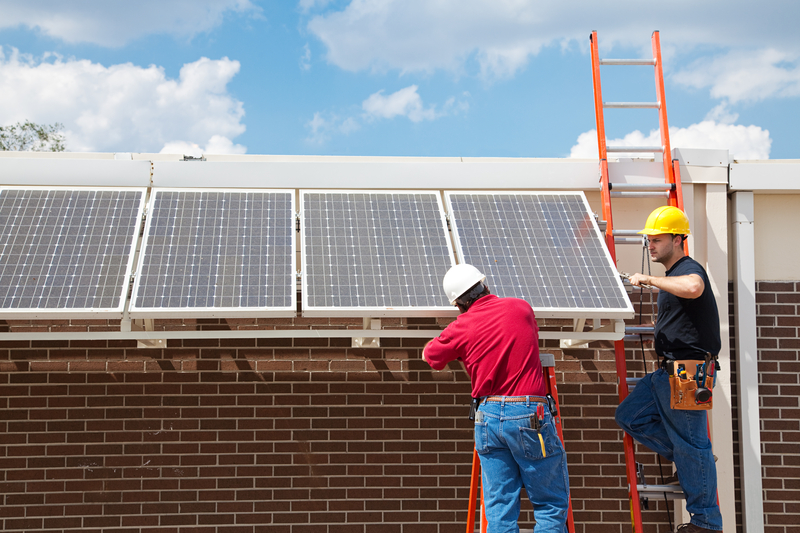
Solar panelswork by converting the energy produced by sunlight into usable electricity. Because it uses one of the most infinite resources on the planet, solar-powered energy does notpollute the environment when used. You can use it by installing the panels on the roof or at the ground level of your building.
Wind
Wind energy works by using large fans called turbines to power an internal electricity generator. So while it looks similar to a fan, which uses electricity to power wind, it’s actually doing the opposite. The best way to use wind-powered energy is at a mass level by finding an energy provider that will connect your home or building to a residential wind turbine.
Hydropower
Hydropower uses turbines to convert energy from flowing water in streams and rivers into electricity. One of the most used alternative energysources, hydropower is typically stored in dams. On average, one dam has the ability to power 75-101 million average American homes.
Another form of hydroelectricity is tidal energy, which works by harnessing power from ocean tides.
Geothermal
Geothermal energy uses energy generated from steam that rises from pools of water beneath the Earth’s surface. You can use it to power your home or building with a geothermal heat pump.
Economic Benefits of Clean Energy
Besides being eco-friendly, there’s also several economic benefits of clean energy including:
The clean energy job sector is booming
The usage of renewable energy sources has created millions of jobs in America alone. As the emphasis on the need to use clean electricity continues to increase, the number of jobs created increases as well. With a sector that is expanding so rapidly, it’s actually one of the fastest-growing fields in the country.
Stabilize the cost of electricity
Clean energy sources may have a high upfront cost but once installed, electricity powered by solar panels and other forms of renewable energy is cheaper than fossil-fueled energy.
Avoid future costs from environmental damage
National greenhouse gas emissions are damaging to society as a whole by impacting the quality of our air and water. They’re also believed to cause a myriad of health concerns, some of which can shorten a person’s lifespan. Plus, climate change has already cost the US hundreds of billions of dollars. The sooner a majority of the country uses alternative sources of energy, the more expenses spared to repair the damage done to our health and the environment’s.
Reduce dependence on imported fossil fuels
By becoming self-sufficient in our electricity production, America will no longer be reliant on fossil fuels from other nations. Not only does this reduce expenses on trading costs, but it also means that things like gas prices won’t be affected by the weather in another country.
How Using Clean Electricity Can Help Your Business
Renewable energy sources have a higher ROI
Utilizing the benefits of clean energy in office buildings may have a larger upfront cost, but will ultimately save business owners more than enough money to offset that. This cost difference stems from the fact that renewable energy will always be cheaper than nonrenewable energy because there’s an infinite amount of it. One of the easiest and most common ways businesses can clean up their source of energy is to install solar panels and energy efficient appliances [link previous article].
Switching to green energy builds brand trust
Making the switch to clean electricity is also a smart public relations move. It shows customers that your values are genuine because you prioritize contributing to your shared environment. Now more than ever, customers want to feel like they can trust the companies they choose to buy from. The choice to go green can also make you stand out from competitors who haven’t yet. More and more companies are switching to green energy to power their businesses. So if you don’t jump on the eco-friendly train soon, you might find yourself becoming the competitor losing business over it instead of gaining it!
Younger generations make sustainable energy a priority
Millennials and Generation Z, their successors, prioritize using sustainable energy sources much more than their parents. It’s proven to influence how they spend their money and where they want to work, Gen Z especially. They also make up the majority of the current and future workforce, with Gen Z about to become the largest demographic of consumers as well. So not only will investing in clean energy save your business money in the future, it optimizes your chances to make more money, too.
Energy Conservation Tips to Reduce Office Expenses
In this article we are going to break down the top energy conservation techniques for your business. We all know running an office is expensive, and one of the largest costs involved is also the most unpredictable: The monthly energy bill. The average cost of utilities for office buildings is $2.10 per square foot, but that number frequently fluctuates depending on what season it is, the region you’re in, and the resources being used. Here’s why business owners everywhere are implementing energy conservation procedures in the office to cut back on unnecessary costs, and energy saving tips to help you start doing the same in your business.
What is Energy Conservation?
You can define energy conservation as choosing to make a conscious effort to reduce energy consumption by either using less of it, or using it more efficiently. People usually adopt this behavior to reduce their utility costs as well as their environmental impact. There are several methods to save energy, including day-to-day behaviors and installing energy efficient products.
How It’s Different From Energy Efficiency
Though energy efficiency is closely connected to conservation through their shared goal of saving energy, it does have its own meaning. Conservation focuses on behavioral changes, while efficiency focuses on using products that use less energy. For example, you practice energy conservation by turning off the lights when you leave the room, and energy efficiency when you replace the light with an energy saving light bulb.
Energy Saving Tips For Office Buildings
While investing in energy efficient products will be helpful in the long run, there are several ways for business owners to save electricity with little to no cost upfront. In fact, just changing the behaviors of your staff can greatly impact your ability to reduce energy consumption. To help, we’ve put together a comprehensive list of energy saving tips for businesses big and small.
Conduct an Energy Audit
The best way to start developing your office energy conservation procedures is to conduct an energy audit. You can either hire someone to do this, which may be the best choice for larger businesses, or you can do it on your own simply by walking around the building to evaluate office energy use. During the audit, you’ll want to evaluate staff behavior and the utilities your office uses. Doing this helps you identify all areas and appliances your checklist of energy conservation techniques needs to include. Don’t forget to include things you may not touch every day, such as the thermostat and refrigerator temperature.
Easy Product Switches
Using energy efficient products is one of the best ways to save energy because it doesn’t rely as much on changing people’s daily routines. These products are designed to help people easily save on their electricity bills. Here are some products you can replace with a low-cost energy efficient alternative:
And many more! Just be sure to verify their Energy Star rating before buying, especially when purchasing a larger appliance.
Using Office Products Wisely
After completing your energy audit and identifying which efficient products you intend to start using, it’s time to start implementing daily energy conservation techniques for office staff. A few suggestions include:
Turning automatic sleep mode on all computers and requesting that staff turn their computers off before leaving for the weekend.
Being conscious of your office’s printer usage by utilizing digital materials over paper as often as possible.
Using power strips.
Requesting that staff hand wash kitchen dishes and leaving them out to air dry when possible.
Limiting the amount of people who have access to the thermostat.
Implementing a work from home policy (if you haven’t already) to reduce the amount of energy used in the office each day.
Turning off lights when you leave the room and utilizing natural light when appropriate.
How to Implement Energy Conservation Techniques With Your Staff
The most difficult part of implementing office energy conservation practices is having to rely on people to change their daily routines. No matter how good of an employee someone is, people are creatures of habit and naturally will need a bit of an adjustment period. To help them adapt to these changes as smoothly as possible, it’s best to start by educating them on why saving energy is important for both your company and the planet.
Making The Process Fun and Personalized
Working with your human resources director, come up with ways to engage your employees so that they’ll be more willing to make a conscious effort to change their habits. You can make it a competition where the office votes on who has made the most improvement and reward the winner, or you could just provide lunch for everyone one day as a way to say thank you. Another way to motivate them is pointing out that that less money spent on the energy bill means more money available for new projects and technology, office parties, or even annual bonuses.It’s also a good idea to have your new energy saving strategy condensed onto an easy-to-read flyer that you can tape a few copies of around the office at places where an extra reminder may be needed, such as in the kitchen or at the printer. Sending a few office-wide email reminders can’t hurt, either! Whatever methods you choose, just be sure to make it personal by showing them how they will benefit from energy conservation too.
To Sum Up
Each year, business owners are spending more and more money paying for electricity than they need to. This is because they aren’t implementing any office energy conservation procedures. In order to reduce business expenses spent on your energy bill, it’s important to understand what energy conservation and efficiency is and how it can help you as well as the environment. Contrary to what you may have previously thought, becoming an energy efficient business isn’t complicated and can be done at little to no upfront cost. To get your employees motivated to swap their usual daily habits for energy conscious, implement new office protocols in a way that motivates and informs them. If done correctly, you’ll be saving energy and money all while boosting your team’s morale.
For additional energy management tools be sure to check out our small business energy management page!

















 You can define energy conservation